If you live in Minnesota or Wisconsin, you know how long, icy months can affect everything from your driveway to your plumbing. We deal with dramatic temperature swings that quietly influence how your drains behave. Many plumbing issues begin during winter but don’t show up until spring. Reduced water usage during colder months allows buildup to settle inside your pipes instead of being washed away. At the same time, temperature shifts cause materials to expand, contract, and shift slightly. Once warmer weather arrives and your household returns to normal water use, those hidden problems finally become noticeable.
Slow drains in the spring often feel like a sudden inconvenience, but they’re sometimes the delayed result of winter conditions. Aquarius Home Services is here to help you understand why this happens, so you can respond confidently and know when to call for expert help.
Grease and Debris Buildup from Months of Use
During winter, cooking oils, fats, and grease thicken much faster. When these substances cool, they cling to pipe walls and harden. Over time, food particles, soap residue, and hair settle into those sticky layers. Because many households use less water in winter, the flow isn’t strong enough to push this material through the system.
As these layers accumulate, the interior of your pipes becomes narrower. Even a small reduction in space slows drainage noticeably. Winter conditions make it easier for buildup to stay put, creating the perfect environment for clogs to form. If you’ve been dealing with sluggish sinks or tubs as spring arrives, this long-term accumulation is often a major contributor.
How Do Cold Temperatures Affect Pipes?
Cold weather affects more than just surface-level plumbing. Pipes contract when temperatures drop, which slightly reduces their interior diameter. Even a small change makes it easier for debris to catch and stay lodged. As winter progresses, repeated cycles of contraction and expansion can loosen older debris, which later shifts and creates partial blockages.
These subtle movements can also cause minor misalignments in joints or connections. When water flow is disrupted by even a slight shift, drainage slows. This physical behavior is one of the most common reasons households notice issues only after winter ends. What seems like a simple clog may actually be the result of months of temperature-driven pipe movement.
Outdoor Drainage and Sewer Line Factors
Exterior plumbing components face even more intense seasonal stress. Frozen ground restricts proper drainage around your home, which can affect how water moves through underground lines. As snowmelt begins, the soil becomes saturated, adding pressure to buried pipes and making it harder for wastewater to move freely.
Debris from fall, such as leaves, twigs, and sediment, often enters outdoor drains before freezing temperatures arrive. Once trapped, this material stays in place until thawing begins. When spring arrives, these blockages start to influence indoor plumbing, causing slow drains, gurgling sounds, or occasional backups.
Tree Roots and Underground Pipes
Tree roots don’t stop growing just because it’s cold. They continue to seek moisture throughout winter, and even tiny cracks in underground pipes can attract them. Once roots enter, they expand and create obstructions that worsen over time.
Winter stress on pipes can make them more vulnerable to intrusion. As spring approaches and roots become more active, the problem can accelerate quickly. This is one of the most overlooked causes of recurring slow drains, especially in older neighborhoods with mature trees.
If you’re dealing with repeated issues, a deeper look may be needed. A camera inspection can help identify root intrusion.
Why the Problem May Be Isolated or Throughout the Home
A single slow drain usually points to a localized clog. For example, a bathroom sink may have hair buildup, or a kitchen drain may be affected by grease. When only one fixture is affected, the issue is often contained to that specific line.
However, if multiple drains throughout your house are slow, the problem may be in the main line. Backups in lower-level areas, such as basements, often signal deeper drainage concerns. Recognizing these patterns helps you understand whether you’re dealing with a simple fix or something more complex.
If you need more aggressive cleaning for widespread issues, hydro jetting is usually the best way to clear drain lines of active blockages and scour the pipes so that they are completely cleared without damaging them.
What You Can Check Before Calling a Professional
Before reaching out for drain cleaning, there are a few simple steps you can take to better understand what’s happening:
- Look for visible blockages in sinks, tubs, or shower drains
- Test multiple fixtures to see whether the issue is isolated or widespread
- Observe how quickly water drains in different areas of your home
- Avoid repeated use of a drain that is significantly slowed
- Be cautious around standing water, especially if it’s near electrical outlets or appliances
Testing multiple fixtures helps you determine whether the problem is limited to one area or affecting your entire system. If drainage is severely restricted, it’s best to stop using that fixture until the issue is resolved. Safety is especially important when standing water is present, as it can hide hazards.
What Makes Post-Winter Drain Issues Worse Over Time
Once spring arrives, water usage increases. Showers, laundry, dishwashing, and outdoor activities all place more demand on your plumbing. If your pipes already have partial blockages, this added pressure can make the situation worse.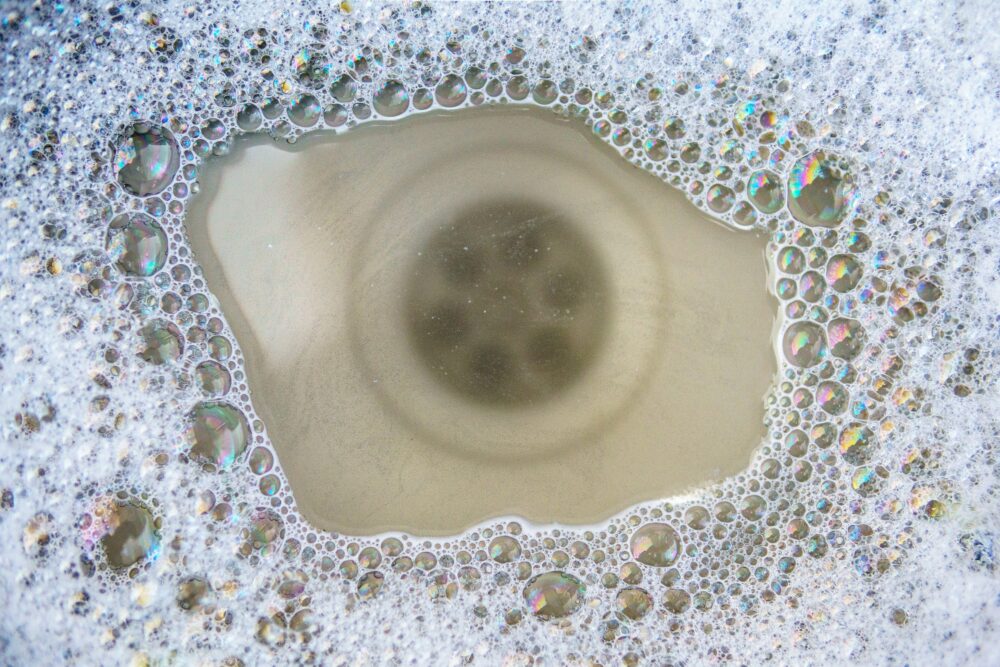
Continued buildup restricts flow even further, and partial clogs can eventually turn into complete blockages. Pressure from backups can stress pipe joints and connections, increasing the risk of leaks. Slow drains are often an early warning sign rather than a minor inconvenience. Addressing them promptly helps prevent more serious problems later.
Winter conditions across Minnesota and Wisconsin often contribute to slow drains, and it’s important to pay attention to early signs. If you notice smelly, burbling, or slow drains, recurring clogs, or water backups, especially from multiple fixtures, it’s time to call a professional. Buildup, pipe movement, and outdoor factors all play a role in how your plumbing performs after months of cold weather.
Whether you’re in St. Paul near Como Park or in Milwaukee’s Bay View neighborhood, getting ahead of drainage issues keeps your plumbing system running smoothly.
If you want peace of mind after a long winter, now is the perfect moment to get expert help. Reach out to Aquarius Home Services for fast, reliable service and get your drains flowing again.
FAQ