
Troubleshooting Tips for Kinetico® Water Softeners & Drinking Water Systems

Our highly qualified water professionals are happy to come to your home or business to fix or maintain your Kinetico® water system. Please feel free to contact us so we can make sure you’re enjoying your water as soon as possible.
Water Softener Troubleshooting
When your water doesn’t feel, taste, or perform the way it should, it can be a sign that something isn’t working correctly. The following are basic steps in determining trouble with your water softener system.
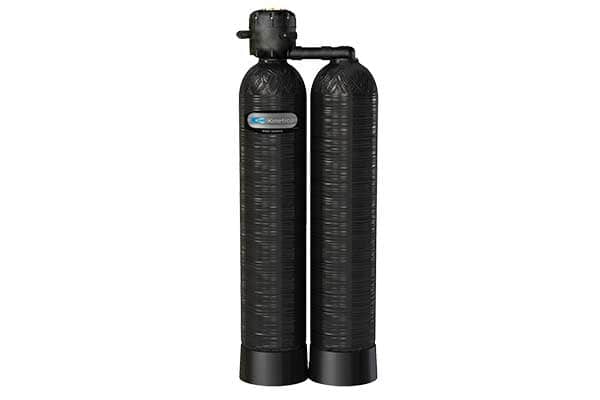
- Is the bypass open?
- Is there salt in the brine tank?
- Is the salt bridged (salt appears solid and forms a “bridge over the water”)? If so, break up the bridged salt to allow saturation.
- Is there water in the brine tank?
- Is the prefilter clogged? If so, change or clean your filter cartridge.
- Are there any drips or leaks in the house (including a dripping faucet or running toilet)? To check this, you can close the inlet water valve to the house; leave it off for a few minutes. Open the valve. If you hear a surge of water, there is a leak somewhere in the home.
- Is the unit continuously running? Try to “manually regenerate;” this helps to free any debris that may be caught in the valve. If this doesn’t work, bypass the unit and call your local office.
- Is the brine tank overfilling? Put the system on bypass and call your local office.
Drinking Water System (Reverse Osmosis) Troubleshooting
If you notice changes in your water’s taste, odor, or flow, your drinking water system may need attention. The following are basic steps in determining trouble with your drinking water system.
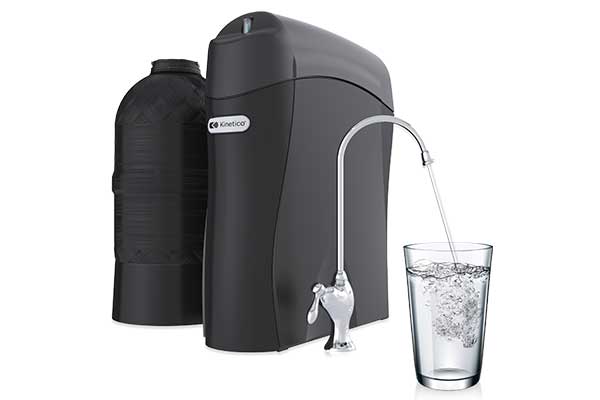
- Filters need to be changed.
- Check all shut-off valves and verify that all are in the open position.
- If not using a “Quick Flo” holding tank, check the air pressure. You can do this by checking the bottom of your storage tank, which should have 7-9 psi.
- If the tank is full of water and no air charge, empty all the water out of the tank and put 7-9 psi. Into the tank.
Note: If you’ve recently changed filters, give the system a few hours to recover.
This is normal with a Quick Flo tank. Because of the design of the tank, a signal must be sent to allow water to flow. This is sometimes delayed for a short time, depending on the installation site.
It is normal for all reverse osmosis units to expel water to the drain. This should stop once the unit has filled its storage capacity. If this problem continues, please call our office.
What’s in Your Water?
Even if your water looks clean, it may contain hidden contaminants. Minerals like calcium and magnesium cause hard water, while iron, chlorine, and sulfur create unpleasant odors and stains. In some cases, harmful bacteria or heavy metals can also be present.