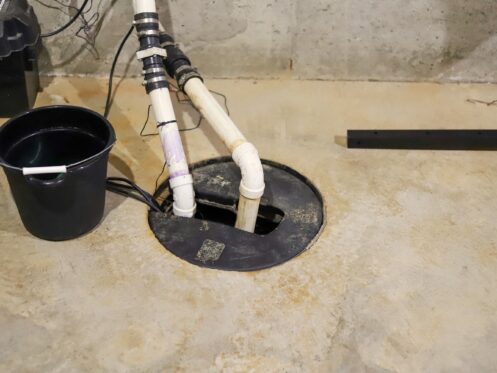
Basement or crawl space flooding is always a concern in places like Wisconsin and Minnesota. Heavy spring rains or excessive snowmelt can cause the soil around a home’s foundation to become so saturated that water starts seeping up through the concrete foundation floor. This makes having a working sump pump essential, as it will pump water away from the house to prevent flooding and avoid costly water damage. Sump pumps typically only last seven to 10 years before they fail or stop working effectively enough. While a sump pump can suddenly fail, especially if it rarely must run, you’ll often see some signs that help you know it’s beginning to wear out and should be replaced. In this blog, we’ll look at how to test your sump pump to make sure it works properly and the signs that indicate it’s time for sump pump replacement.
The Importance of Regularly Testing Your Sump Pump
Unless you live in a more flood-prone area, your sump pump may only run occasionally during prolonged periods of heavy rain. This can make it difficult to know whether the pump is starting to give out and may soon fail, since you may not be home or awake when it comes on. The best way to ensure that your sump pump still functions as it should is to test it a few times a year. It’s especially important to test the pump before the spring rains arrive so you can quickly get a replacement installed if it’s not working properly.
To test a sump pump, fill up two 5-gallon buckets with water and then dump them in the sump basin. As soon as you dump the water in, the float switch should immediately trigger the pump to turn on. It should only take 15 to 30 seconds for the pump to empty the basin and then shut off.
Before testing the pump, it’s a good idea to go outside and inspect the discharge pipe. The end of the pipe can sometimes get clogged with dirt and debris, preventing the water from draining. This can potentially lead to the pump’s motor burning out, which is why you need to make sure that the pipe is clear.
Signs Your Sump Pump May Be Failing
When testing your sump pump, there are a few different things to check. The first thing is obviously that the pump comes on when you fill the basin with water. If it doesn’t come on, you should unplug it from the electrical outlet and then plug something else into the outlet to make sure it still has power. If the outlet works, it means that either the float switch is bad or that the motor on the pump is worn out. A professional plumber can quickly diagnose the problem and determine whether you need to replace the switch or if the pump itself needs to be replaced. Even if the issue is a faulty switch, we’d still recommend replacing the pump if it’s more than five years old and runs fairly often.
If the pump turns on as it should, the next thing to check is how long it takes for it to pump all the water out of the basin. Slow, inefficient pumping is often a sign that the motor is starting to wear out and could soon fail. However, it could be that the screen on the water intake is clogged with mud and debris. This is something you can easily check by unplugging the pump and removing it from the basin. After cleaning the screen with a soft-bristle brush, put the pump back in the basin and test it again to see if it now empties the basin more quickly. If it’s still slow, you should replace it to avoid it suddenly failing or not pumping quickly enough to prevent the basin from overflowing.
The other thing you should do is listen to how much noise the motor makes. Pedestal pumps are loud since the motor sits outside the sump basin. Submersible pumps are much quieter since they sit at the bottom of the basin, where the water muffles the sound of the motor. If your pump is much louder than it used to be, it’s another good indication that the motor is starting to wear out.
If you have a submersible sump pump, inspect it for signs of rust as well. Extensive rust is another sign that you should replace the pump. The concern is that the housing can rust through, resulting in water getting into the motor and destroying it.
Another sign that your sump pump is on the verge of failing is if it has started leaking oil. If a pedestal pump is leaking, you’ll see oil on the housing. With a submersible pump, you’ll see a sheen of oil floating on top of the water in the basin.
Risks of a Sump Pump Failure
Sump pump failure can be catastrophic, especially if you have a finished basement that ends up flooded. In this case, you’ll usually have to replace at least some of your drywall, flooring, insulation, and potentially furniture. If the water gets high enough that it reaches any electrical outlets, you’ll also need to have an electrician replace them and some of the wiring. Another concern is that mold can start growing and spreading within a day or two if you don’t immediately remove the water and start drying everything out. Depending on how extensive the flooding is, you could easily need to spend at least a few thousand dollars in repairs to restore the space to its original condition.
If your sump pump fails to work, there normally isn’t much you can do to prevent flooding outside of trying to use towels and a wet/dry shop vacuum to get rid of as much water as you can. This is where having a portable backup water pump is beneficial. The unit allows you to use hoses to pump the water out of the basin and away from the house so that you can hopefully prevent the basin from overflowing.
Schedule a Sump Pump Repair or Replacement
At Aquarius Home Services, our family-owned company offers expert plumbing services, including sump pump installation and repair services, to homeowners throughout Minnesota and Wisconsin. If you’re experiencing any issues with your sump pump, we can perform a comprehensive check to determine what’s wrong and what action you need to take.
To schedule a sump pump inspection or any other plumbing service, contact us today.